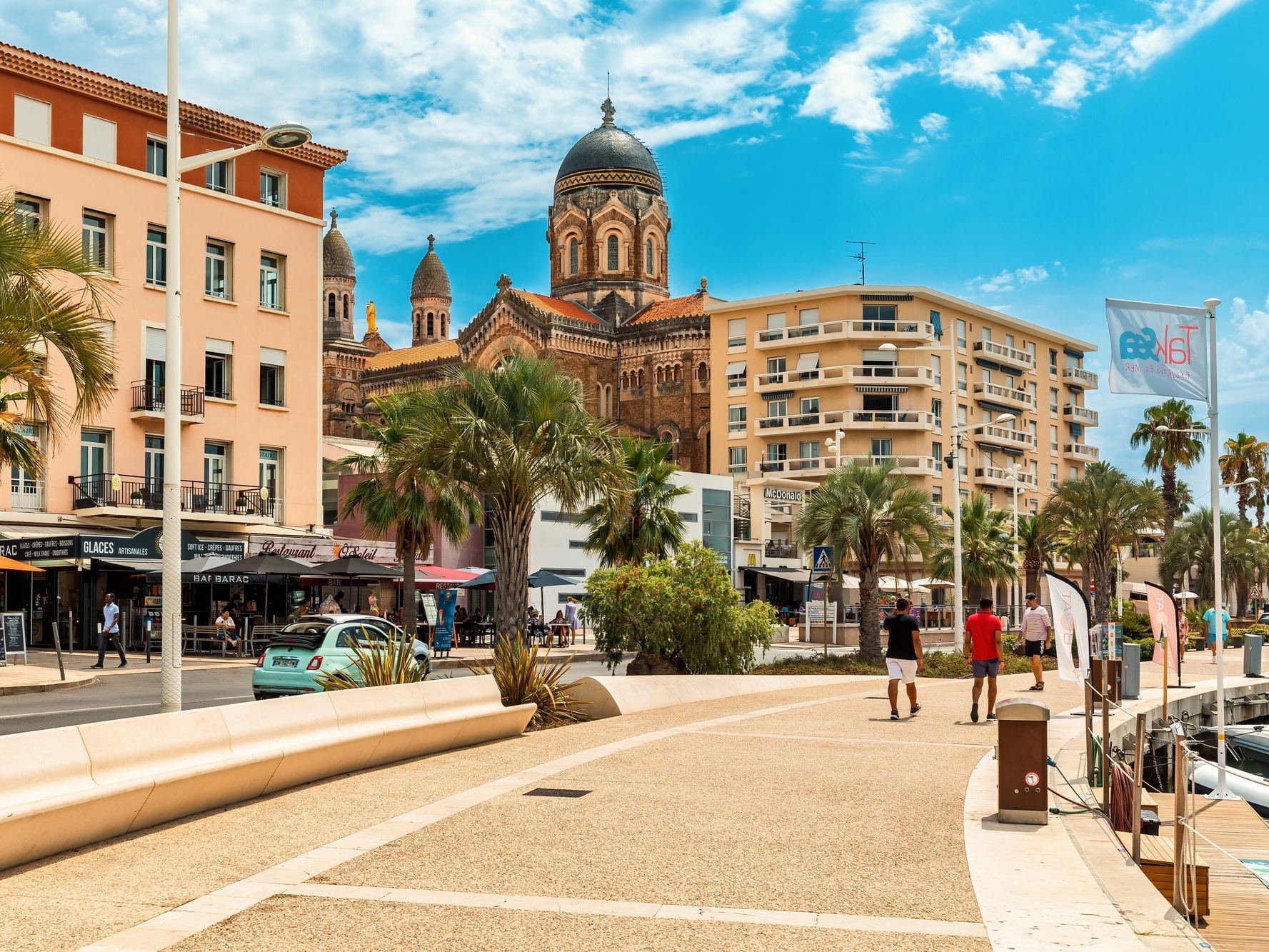
Provence is not something you experience all at once. It is a region that reveals itself progressively, by taking the time to move from one landscape to another, from one rhythm to another. Between hilltop villages, secondary roads, rocky reliefs and openings onto the sea, each area offers a different perspective of the region.
To truly enjoy it, it is essential to build a coherent itinerary. Start from Aix-en-Provence, reach the Luberon, head down towards Marseille and then Cassis, go back up to the Alpilles and Avignon, before finishing towards Saint-Tropez. This sequence allows the experience to evolve naturally without unnecessary breaks.
In this type of journey, accommodations support each stage. But it is the destinations that truly give meaning to the trip. Each area sets its own rhythm, landscapes, and way of being experienced.
Aix-en-Provence, understanding Provence before exploring it
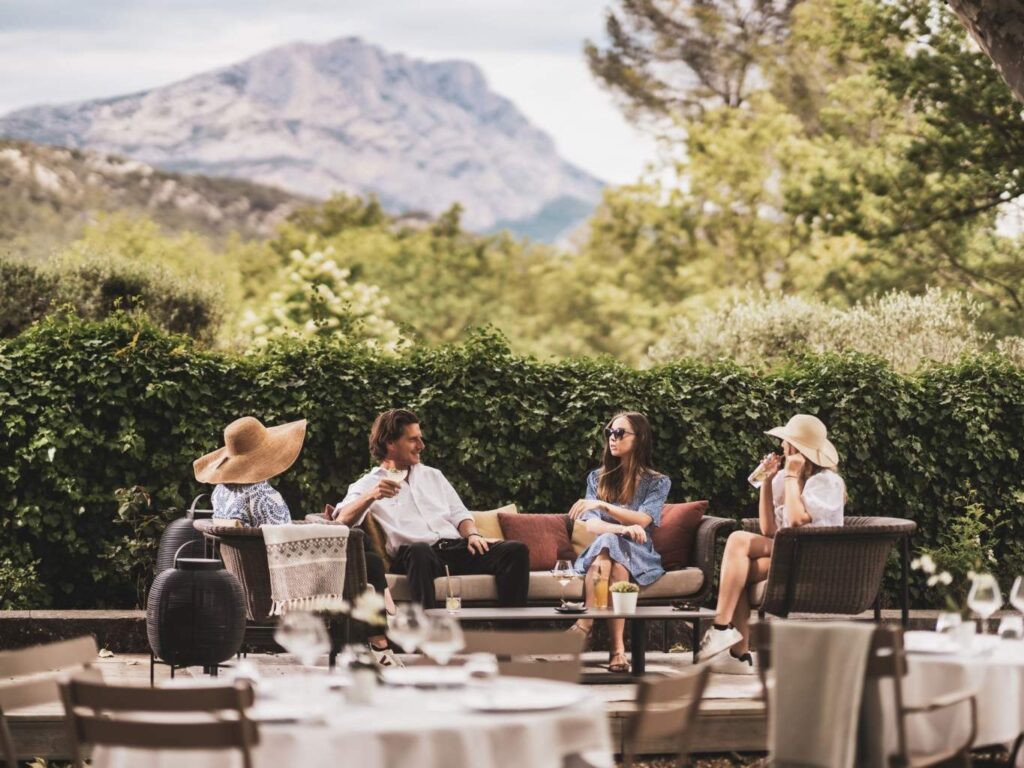
Aix-en-Provence is an excellent starting point. The city allows you to gradually settle into the southern rhythm, with a balance between energy and serenity. The historic center, shaded squares and terraces offer an accessible first immersion.
Very quickly, the focus shifts outward. Within minutes, you leave the city to reach much more open roads, particularly around Sainte-Victoire. This is where the journey truly begins to matter.
Properties such as Villa Gallici, with its elegant and classic atmosphere, or Le Pigonnet, known for its gardens and tranquility, help extend this first immersion.
Villa Saint-Ange and Château La Gaude open more towards the outdoors, while Lodges Sainte-Victoire and Château de Fonscolombes offer a more natural immersion.
The Luberon, a Provence experienced kilometer by kilometer
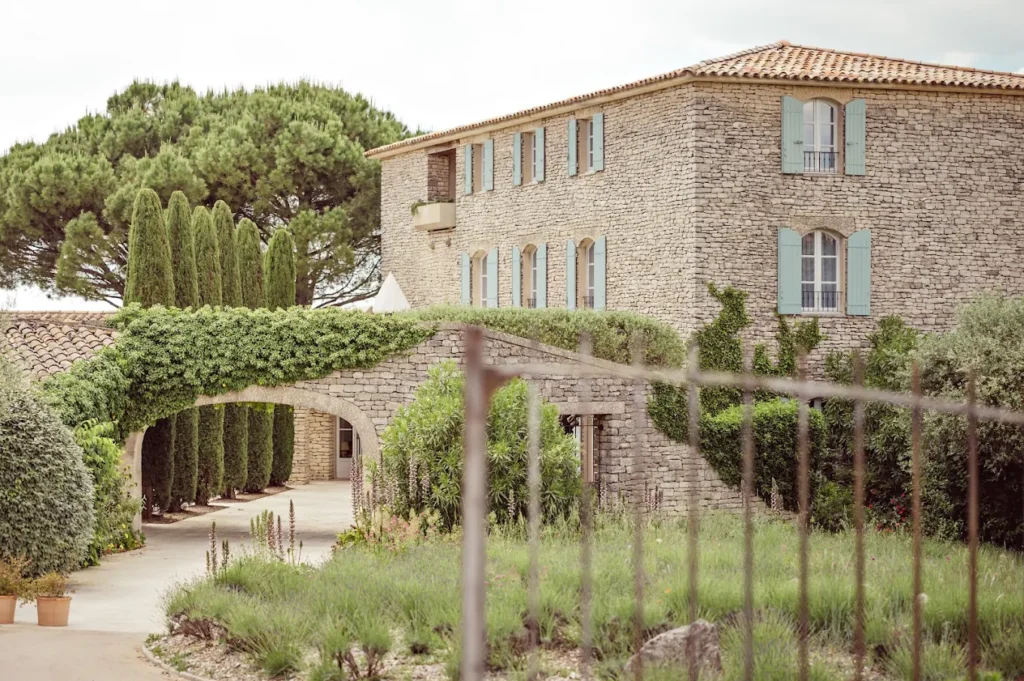
The Luberon marks a central stage in the journey.
As you enter this area, the rhythm gradually changes. The roads become more winding, the relief more pronounced, and the landscapes more diverse. The environment naturally encourages you to slow down, allowing you to better enjoy the drive.
The villages play a structuring role. Gordes, with its dominant position, offers an immediate understanding of the territory. Roussillon stands out with its colors and contrasts, while Lourmarin brings a more lively and accessible atmosphere. These stops are not secondary; they truly shape the itinerary.
Driving becomes more engaging here. The sequence of bends, climbs and open stretches creates a constant balance between technique and observation. It is an area where driving is as enjoyable as stopping.
The Luberon is often seen as one of the most complete parts of the journey, as it combines landscapes, villages and variety of roads.
Capelongue, in a dominant position, offers open views, while Le Moulin and Le Galinier immerse you in the village atmosphere.
Coquillade Provence, surrounded by vineyards, offers a more contemporary experience, while Couvent des Minimes provides a true moment of calm.
Marseille and Cassis, a striking contrast
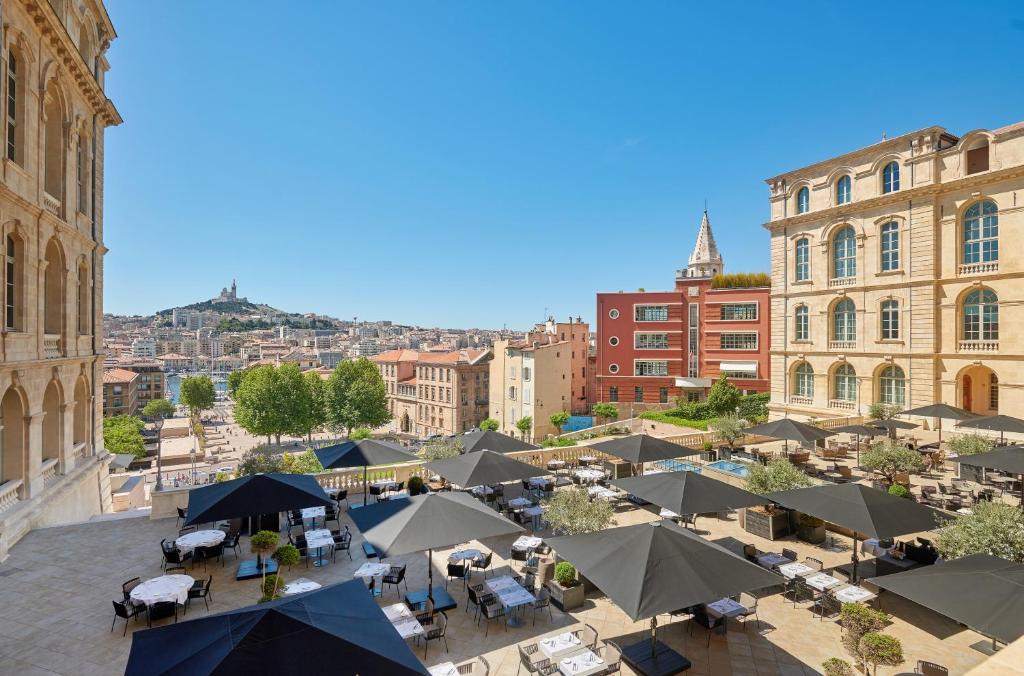
Arriving in Marseille, the rhythm changes immediately. The city is denser, more direct, with a stronger energy than previous areas. The Old Port, urban roads and access to the calanques create a more active, sometimes more chaotic, yet always vibrant atmosphere.
This stage brings a necessary contrast, avoiding an overly uniform perception of Provence and introducing a more raw, urban dimension.
Leaving Marseille, the transition to Cassis is quick and particularly interesting. The Route des Crêtes is a highlight, offering open sea views and a fluid layout. The drive becomes more open and readable.
Cassis marks a return to calm. The port, cliffs and beaches create a more peaceful and accessible atmosphere. It is a stage that allows you to slow down after the intensity of Marseille.
The InterContinental Marseille overlooks the Old Port, while Le Petit Nice Passedat offers a more intimate seaside experience.
The Alpilles and Avignon, depth and authenticity
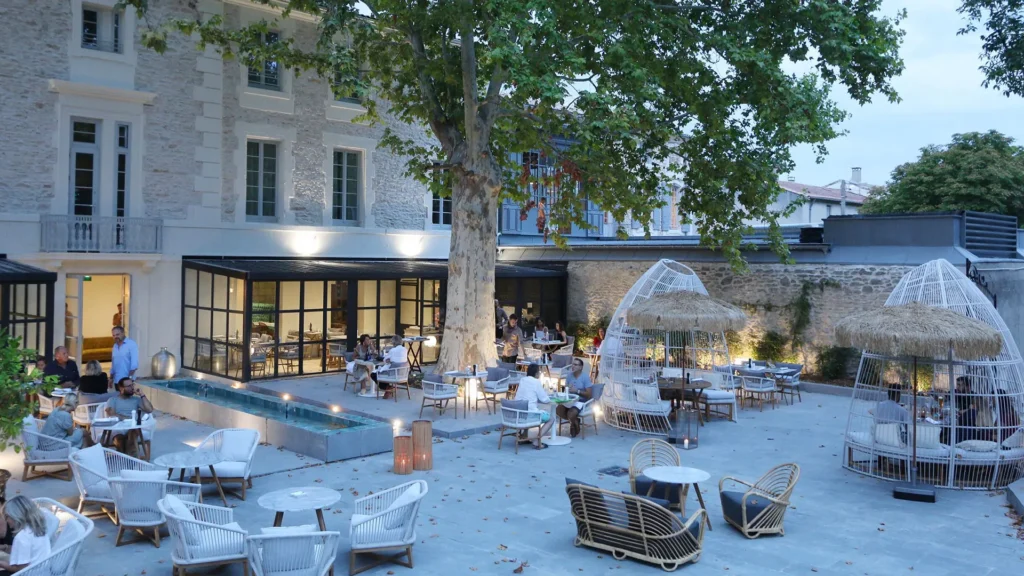
Arriving in the Alpilles, the landscape changes significantly. The terrain becomes more mineral, olive trees structure the scenery, and the overall atmosphere feels more raw and authentic. The pace becomes calmer and more grounded.
The roads are more fluid than in the Luberon. Less technical, they allow for continuous driving with a more consistent rhythm. It is an area where you naturally slow down without constraint.
Saint-Rémy-de-Provence is an ideal anchor point. The village allows for a pause, a walk, a break from the road rhythm. Nearby, Les Baux-de-Provence offers a striking viewpoint, while surrounding roads allow smooth transitions between stops.
This stage brings balance to the journey, introducing a calmer and more contemplative rhythm.
Continuing towards Avignon, the change is even more pronounced. The city brings a strong historical dimension, with its ramparts, the Palais des Papes and dense center.
Unlike other stages, Avignon is mainly explored on foot. It acts as a pause in the roadtrip, more cultural, adding variety to the experience.
The Saint-Rémy and Auberge de Cassagne complement this calmer stage.
Saint-Tropez, a different kind of conclusion
Saint-Tropez is the final stage of the journey, offering a distinctly different atmosphere.
As you arrive in this area, the landscapes open up. The roads become wider and more fluid, and the proximity to the sea brings a brighter, more direct light. The overall feeling is lighter, less structured than in the previous stages.
The rhythm shifts as well. After more discovery- or driving-focused areas, this part of the journey is centered on simple pleasure: driving, enjoying the surroundings, and stopping freely without constraints.
The center of Saint-Tropez remains an obvious highlight, with its port, narrow streets, and lively atmosphere. But the real interest also lies in the surrounding roads, which allow you to follow the coastline and explore the area in a more relaxed way.
This stage works as a conclusion. It does not aim to add complexity, but rather to offer a more open and effortless ending.
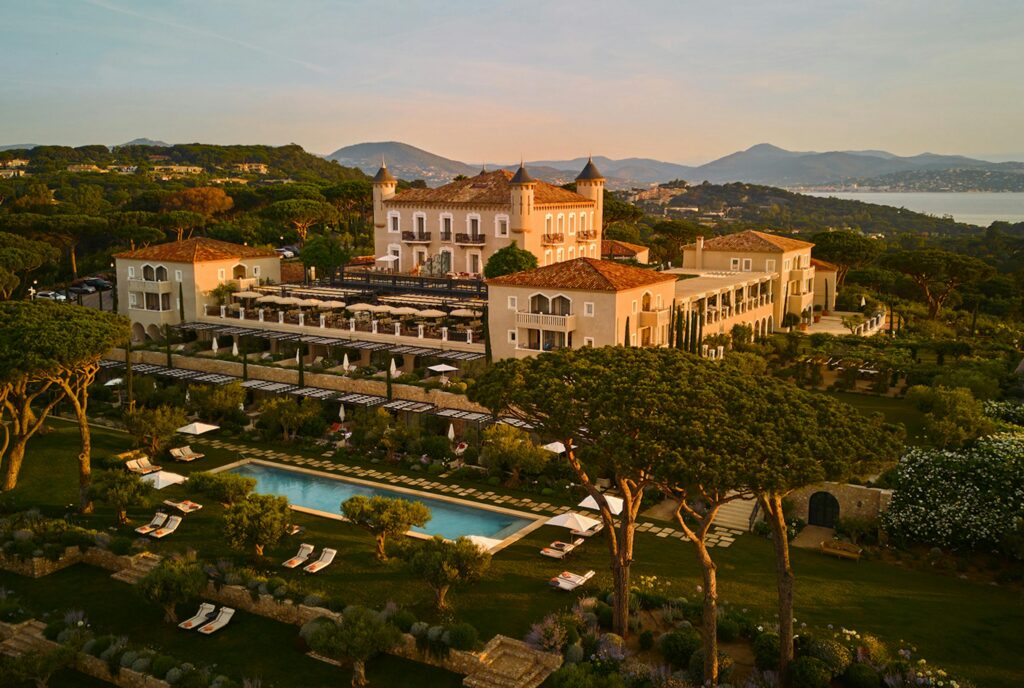
The Pan Deï Palais, located in the heart of the village, offers an intimate and discreet atmosphere. The Hôtel des Lices, just steps from the center, provides a more accessible and lively setting, directly connected to the Saint-Tropez atmosphere. Finally, the Château de la Messardière, set in a dominant position, adds a more panoramic dimension, with open views over the gulf to conclude the journey.